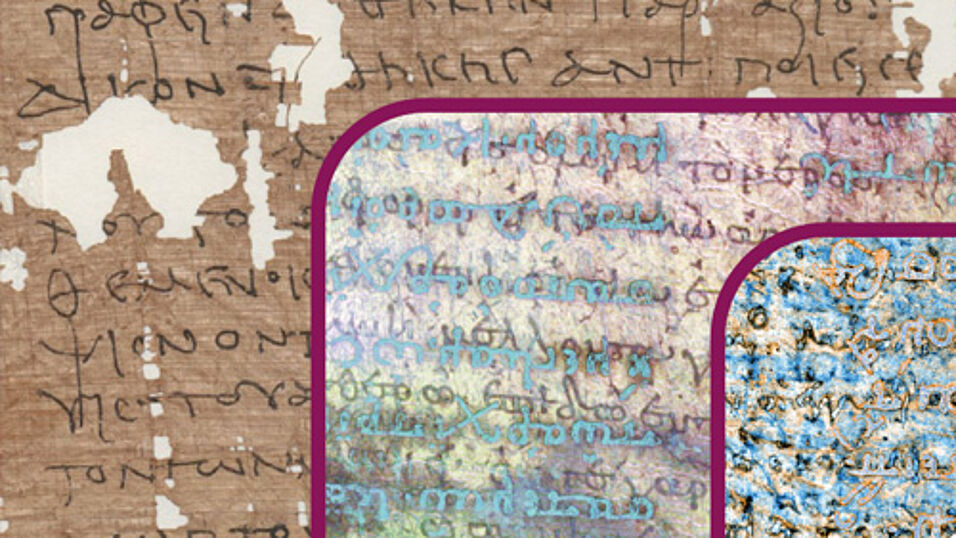
Around the year 900, the Greek translations and summaries of and commentaries on Justinian’s legislation were consolidated in a single version, the Basilica, ʻimperial lawsʼ. It is mainly through the Basilica and their ‘old’ scholia that we know the legal scholarship of the sixth century, while for the earlier stages of ‘Roman law in Greek’ papyri are the most important witnesses. In that sense the papyri and the sixth-century texts testify to a continuous development of Roman law in a Greek-speaking environment, a development continued after the Basilica and documented in their ‘new’ scholia as well as in other texts. The textual transmission of the Basilica is tenuous, and any new witness is therefore most welcome. In recent years our knowledge has increased through discoveries, among which the two palimpsests in the Austrian National Library in Vienna make an important contribution. This colloquium sets out to unite papyrologists, palaeographers, byzantinists, legal historians and classicists, in order to contribute to our knowledge of that continuous story – the development of Roman law in Greek during more than 1000 years.
Byzantium and its Law in Palimpsests and Papyri
18.06.2026